
Rachel’s story
Living with post-concussion syndrome: my story
By Rachel Smith, founder of The Educators Well
A little about why I’m sharing this
If you’ve found your way here because you’re living with a concussion, a workplace injury or the long and confusing process that can come afterwards, welcome. I’m Rachel. I’ve had to learn how to live with a brain that works differently from the one I was used to, and I’m still working out what that means for me and my family.
There have been moments when I wondered what was left of the person I knew. I’d been capable of so much, and suddenly ordinary things were exhausting or confusing. Explaining that to other people has been difficult, especially when they can see me doing something well and assume everything else must be going well too.
But there’s a lot of life in this story. Addy and her Lego, Freya keeping me company, studying, writing books and finding a direction I hadn’t expected. I want to share those parts as well as the hard ones. You can read a section, stop when you need to and come back another day.
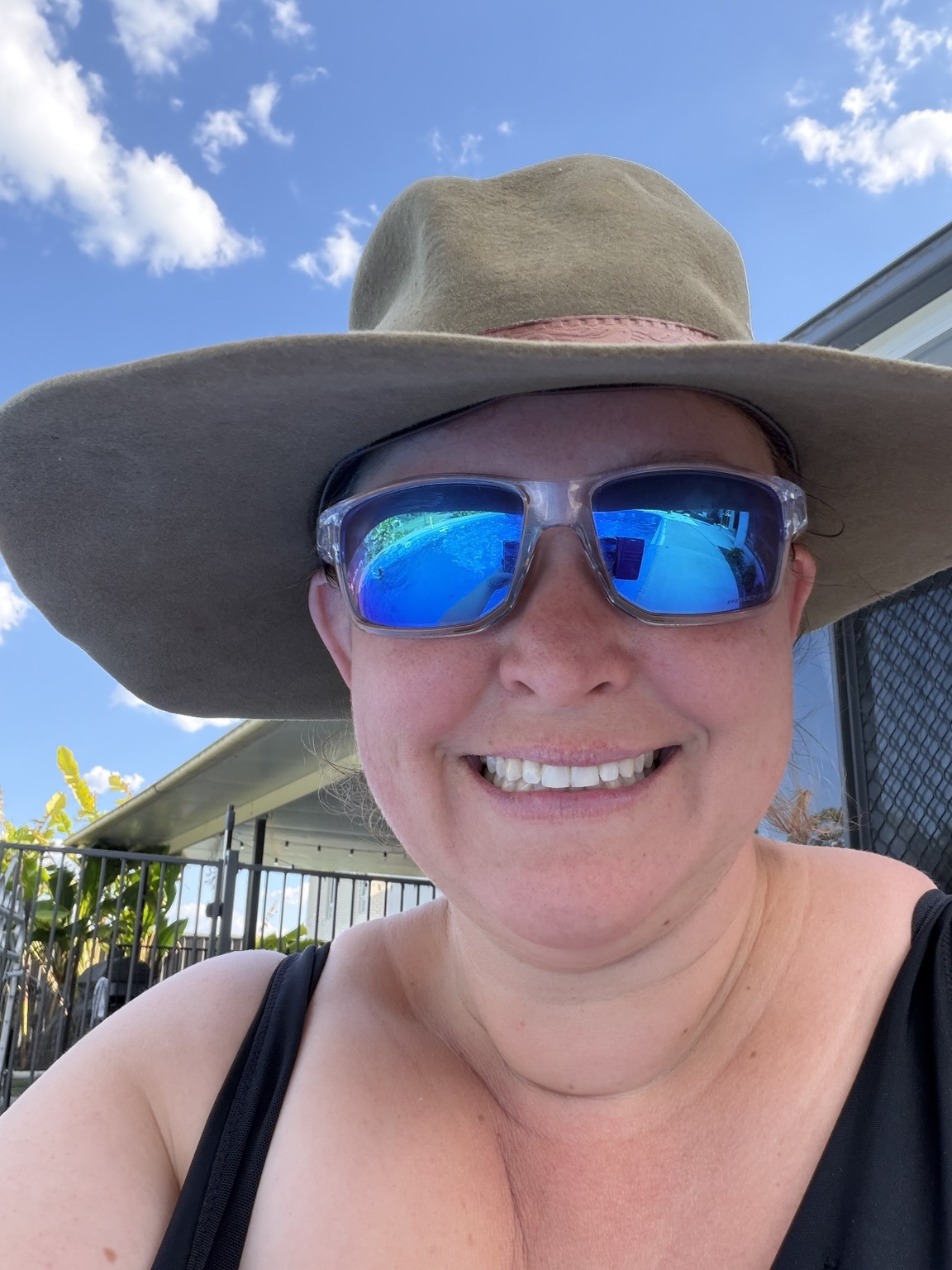
Choose where to start
Before the fall
I’ve spent around twenty years in early childhood education, and my Family Day Care work meant a great deal to me. I loved creating experiences for the children, supporting their families and mentoring other educators. Being recognised as a Regional Winner in the 2023 Family Day Care Awards was something I was very proud of.
At home, there was always plenty happening. Greg, Addy, the animals, cooking, a veggie patch, renovations and whatever idea I was exploring next. I loved planning activities with my daughter and finding ways to bring learning into the things we did together. Alongside everything else, I was working night shifts at a fast-food restaurant.
Looking back, I can see how much I was fitting into my days. I was used to knowing what needed doing and being able to get on with it. When that changed, I struggled to understand myself as much as I struggled with the tasks in front of me.
The night everything changed
On 10 October 2024, I slipped during a late-night shift and hit my head against a wall. I was in pain and confused, but I took Panadol and kept working. I didn’t understand how much had happened.
I remember very little of the next couple of days.
On the Saturday night, I went back to work and asked for a slower-paced role. As the shift went on, I deteriorated. I was struggling to concentrate, my vision was blurred and I felt dizzy and nauseous. By the time I left, I was using walls and counters to steady myself. I reached my car and broke down in tears before going to hospital.
An urgent CT scan a few days later didn’t reveal anything critical, which was a relief. The symptoms continued though, and eventually I was diagnosed with post-concussion syndrome, or PCS. Until then, I hadn’t known a head injury could leave me struggling for so long with things I’d barely needed to think about before.
What post-concussion syndrome has felt like for me
The headaches and dizziness were difficult enough. Then there was the light and sound sensitivity, trouble finding words and an exhaustion I hadn’t experienced before. I could know what I wanted to say and struggle to get it out, or look at an ordinary task and have no idea where to begin. Cooking and tidying started to involve consciously working through steps that had once happened automatically.
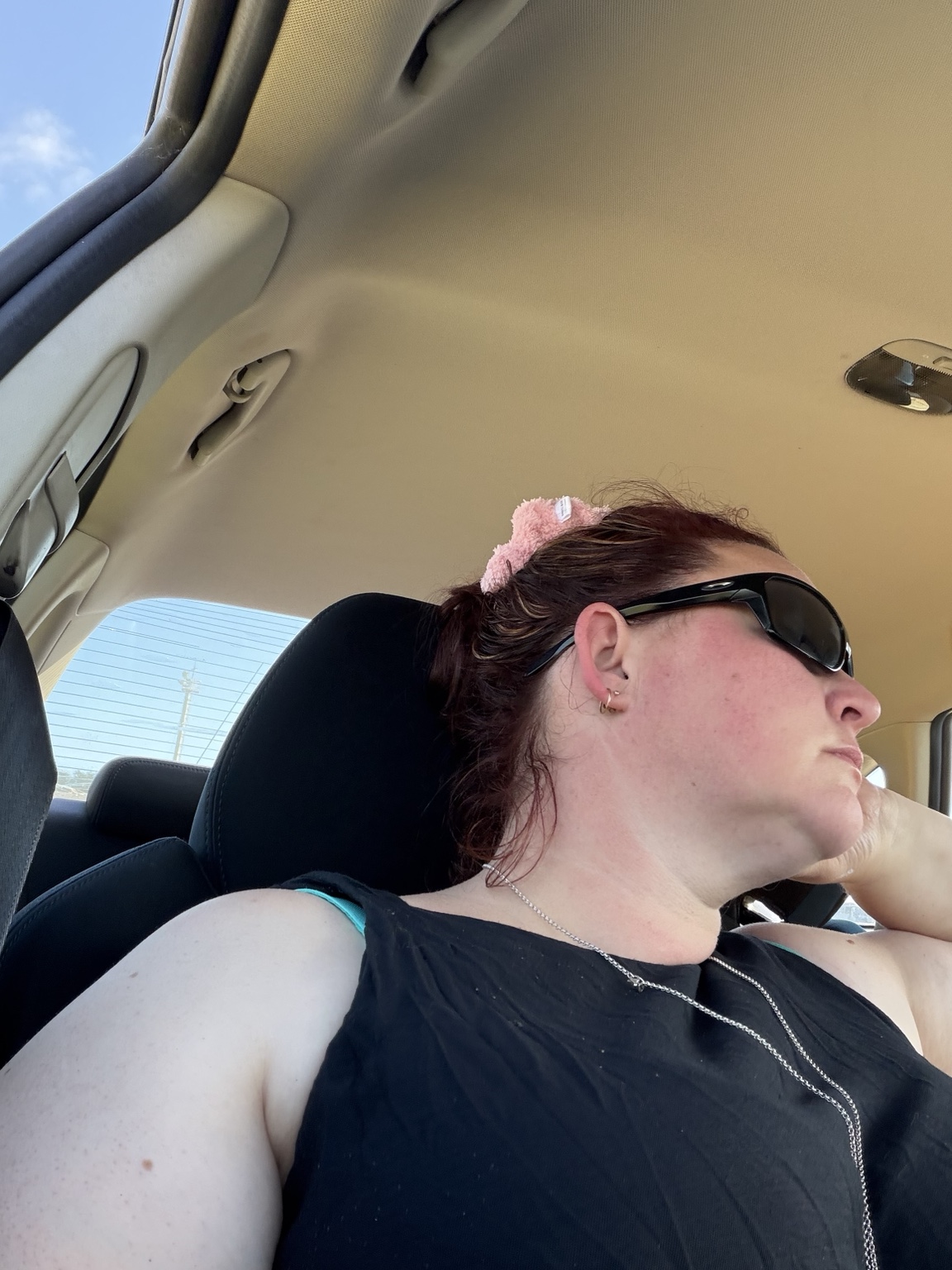
Everyday noise became overwhelming. The washing machine, traffic and conversations around me could all build up, while supermarket lighting made a shopping trip difficult before I’d even started choosing groceries. My occupational therapist suggested earplugs, and finding very dark sunglasses helped me manage the light. You’ll see them in plenty of my photos because they help me take part in things I want to do.
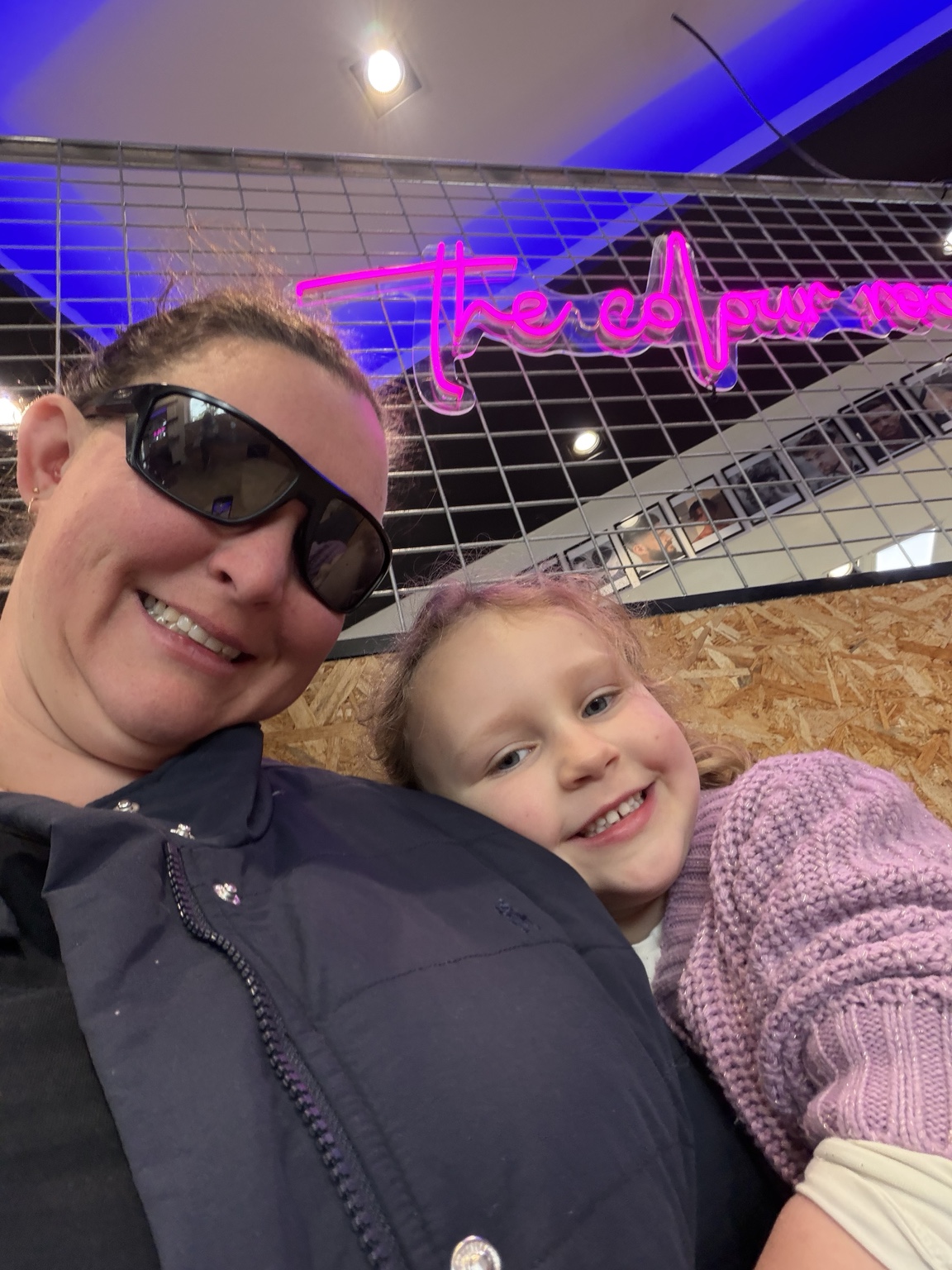
The rest afterwards doesn’t always make it into the photo.
Recently, I made it through 33 minutes at church with my earplugs in and sunglasses on. The bass from the drums was reverberating through my whole body, and the lady beside me was swaying from side to side. It became too much. I came home, lay down and crashed, sleeping for an hour and a half. That isn’t unusual for me, even now, and it’s frustrating when I’ve gone somewhere because I really want to be there.
The little man and his filing cabinets
One of the people supporting me explained it in a way I could picture. Imagine a whole heap of filing cabinets in your brain, with a little man looking after them. He knows where everything belongs and can usually find the information you need.
Except he’s had a tantrum. He’s tipped over the cabinets, emptied them and thrown the files everywhere.
That made sense to me. Information I used to reach easily suddenly felt impossible to find, even when I was certain I knew it. In this picture, the files were still there, but the little man had a lot of sorting out to do. I began thinking about recovery as helping him put things back, using the support and tools I was learning to make daily life more manageable.
Sometimes he has another tantrum and the toolbox seems to have disappeared as well. After a setback, I can struggle to reach the things that were helping, and I need to bring those tools back in and re-establish my routines. This was an explanation that helped me understand my own experience, with a little humour when what was happening felt frightening.
Losing work that felt like part of me
I wanted to return to the work I loved. I thought that if I could manage the light and sound, perhaps I could manage the other symptoms too. It took time to understand that wanting to go back and being able to go back were very different things.
There were medical restrictions and insurance requirements, and by the week before Christmas 2024 I had to make the devastating decision to close my Family Day Care service permanently. I cared deeply about the children and families, and about the work I’d put into that space. Being an educator was a huge part of who I was. I couldn’t see what my working life would look like anymore, while at home I was struggling with things I would once have done without thinking.
I needed time to grieve. Beginning to explore another direction didn’t make that loss stop hurting.
The WorkCover process was its own kind of exhausting
While all of this was happening, I was also navigating WorkCover. The process has been mentally exhausting. Appointments and uncertainty take energy, and so does repeatedly trying to explain an invisible injury when your capacity doesn’t fit neatly into a simple answer.
I can write something meaningful and still struggle with an ordinary daily task. A conversation might go well, then leave me needing a long rest. Those differences are part of my experience, but they can be hard for someone else to understand.
My claim began in South Australia, and I’m still part of that process after moving to Queensland. What I’m sharing here is my experience rather than advice about someone else’s claim. If you’re going through it yourself and finding the process exhausting, I understand why.
When I thought I had lost it all, it started to give back
I started studying my Certificate IV in Training and Assessment with a new mentor. Through that experience, I began to realise that the knowledge was still there. It was just hidden.
In October 2025, with a week’s notice, I prepared and delivered two 30-minute presentations. I wrote around six pages of script, read them repeatedly and practised. Then there was presenting, assessing and reflecting afterwards. Oh my goodness, the amount of mental effort involved. Even getting out of the house meant thinking through the keys, the alarm, locking the door, opening the gate, remembering my materials and getting Addy to school. I was second-guessing things I’d once done automatically before I’d even arrived.
During those presentations, I was sharing early childhood knowledge and experience I had thought I’d lost. I wrote at the time: “I haven’t lost it. It’s still there. It’s just finding new ways to shine.”
I was beginning to trust myself again.
I went on to complete my Certificate IV in Training and Assessment and my Certificate III in Early Childhood Education and Care. I also wrote and published books. The preparation and rest were still necessary, but teaching and mentoring gave me somewhere to use what I knew. I was starting to recognise parts of myself again, even with the little man still sorting through his filing cabinets.
Lego flowers and finding my way through a problem
Building Lego was one of the hardest things for me at the beginning. I could follow about three pages of instructions for Lego flowers before my brain had had enough. I was so cognitively exhausted that I couldn’t go any further. It was mind-blowing to discover how difficult something like that had become.
Now I can sit for an hour building Lego flowers without that same difficulty. I remember those three pages, so being able to enjoy it for longer means a lot to me.
Addy loves building Lego too, although she doesn’t always build it right. Helping her has given me practice in following the instructions backwards, finding the missed step and working out what to undo without destroying the whole thing. I have to look carefully at what’s happened and figure out how to fix it. We get to enjoy something together, and I get to notice a change in what I can manage.
Colouring, routines and less to hold in my head
Colouring and mindfulness have been huge for me. Having something enjoyable to focus on gives me a break from thinking about appointments or symptoms, and from measuring everything by what I’m finding difficult.
My occupational therapist suggested using a whiteboard early on, so I could get thoughts and to-dos out of my head. Written steps and reminders have helped with tasks that used to be automatic. It’s surprising how much effort can go into remembering what comes next when your brain is already tired.
That’s also why routine matters to me. A consistent waking time, a morning routine and a bedtime routine give my day some structure. I’m trying to get up and go to bed at the same time, rather than having to work everything out afresh each day. You hear people talk about these things all the time, but living it has helped me understand why they matter. I still need to adjust on harder days and make room for rest.
The people who helped, and Freya’s company
I’ve had support from professionals including an occupational therapist, psychologist, exercise physiologist and physiotherapist. My exercise physiologist met me where I was, starting with small amounts of movement and building gradually. Having that support helped me work out what I could tolerate and begin trusting my body again.
I know I’ve been fortunate to have help that other people may not be able to access. That’s part of why I want to share the practical things I’ve found useful, as well as my story.
And then there’s Freya, our much-loved dog and my companion. Her company belongs here too. Having her nearby when I need to rest is comforting, and she’s part of the ordinary life I want to enjoy. The people helping me professionally have been important, but so have the relationships and company around me at home.
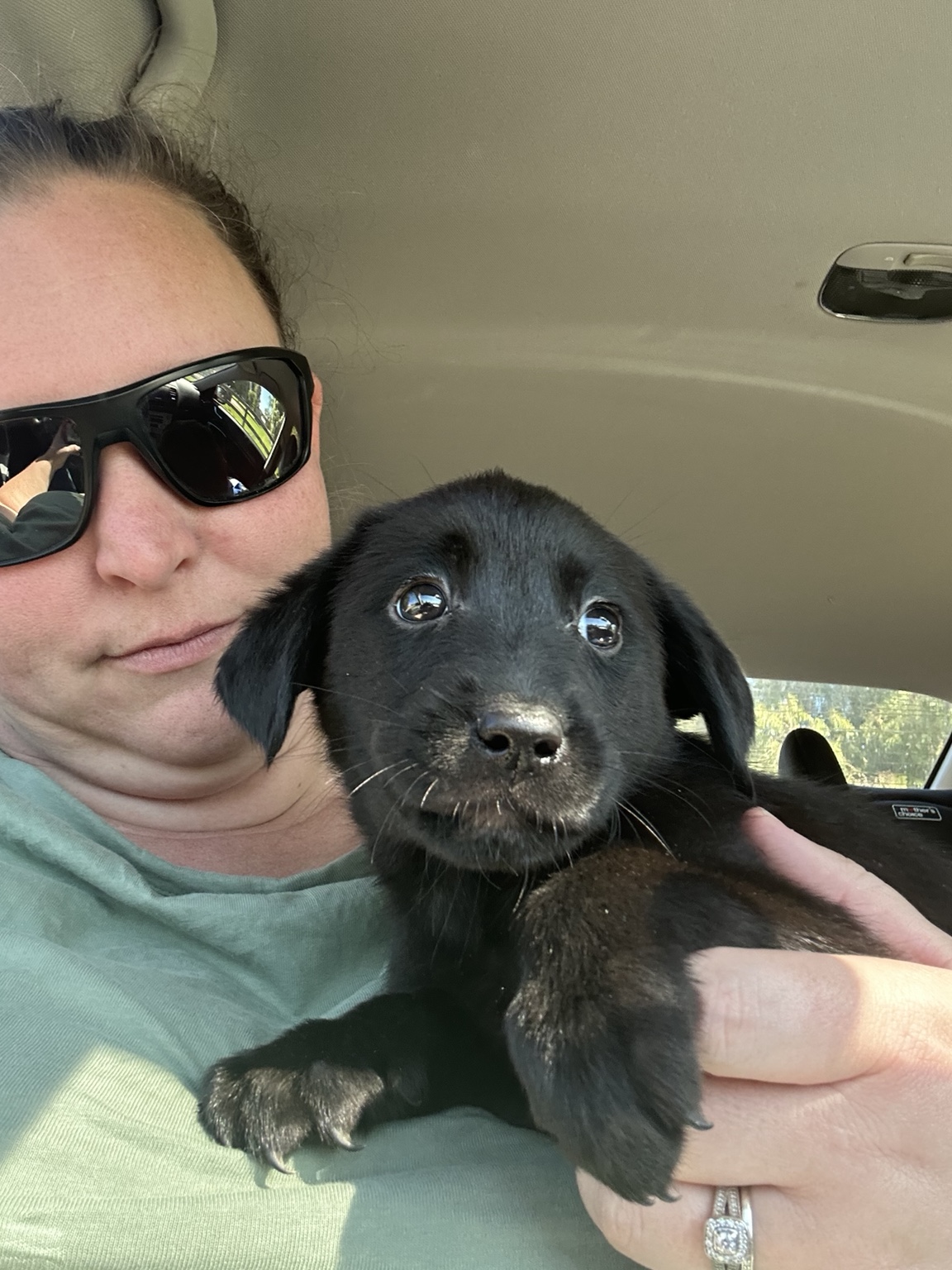
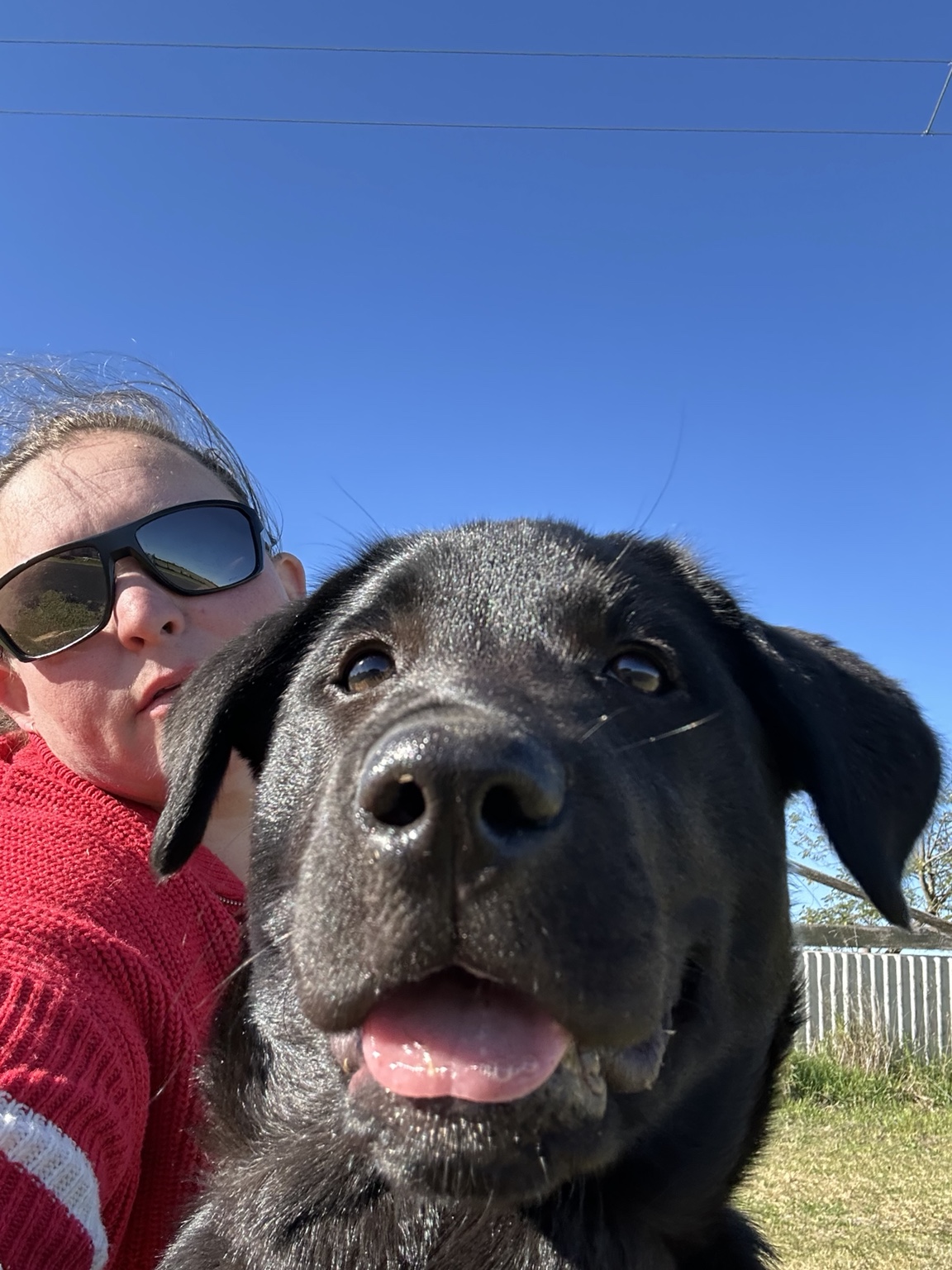
Queensland, a caravan and finding a village
Our family moved to Queensland in March 2026. We now live in a caravan, and one of the biggest differences has been the amount of home I’m trying to manage.
The mum load is absolutely still there. There are meals, washing, school routines and all the things I need to remember for our family. But it feels different from trying to look after a three-bedroom house as well. Having a smaller space has reduced some of that everyday load, which is a much bigger change than it might sound.
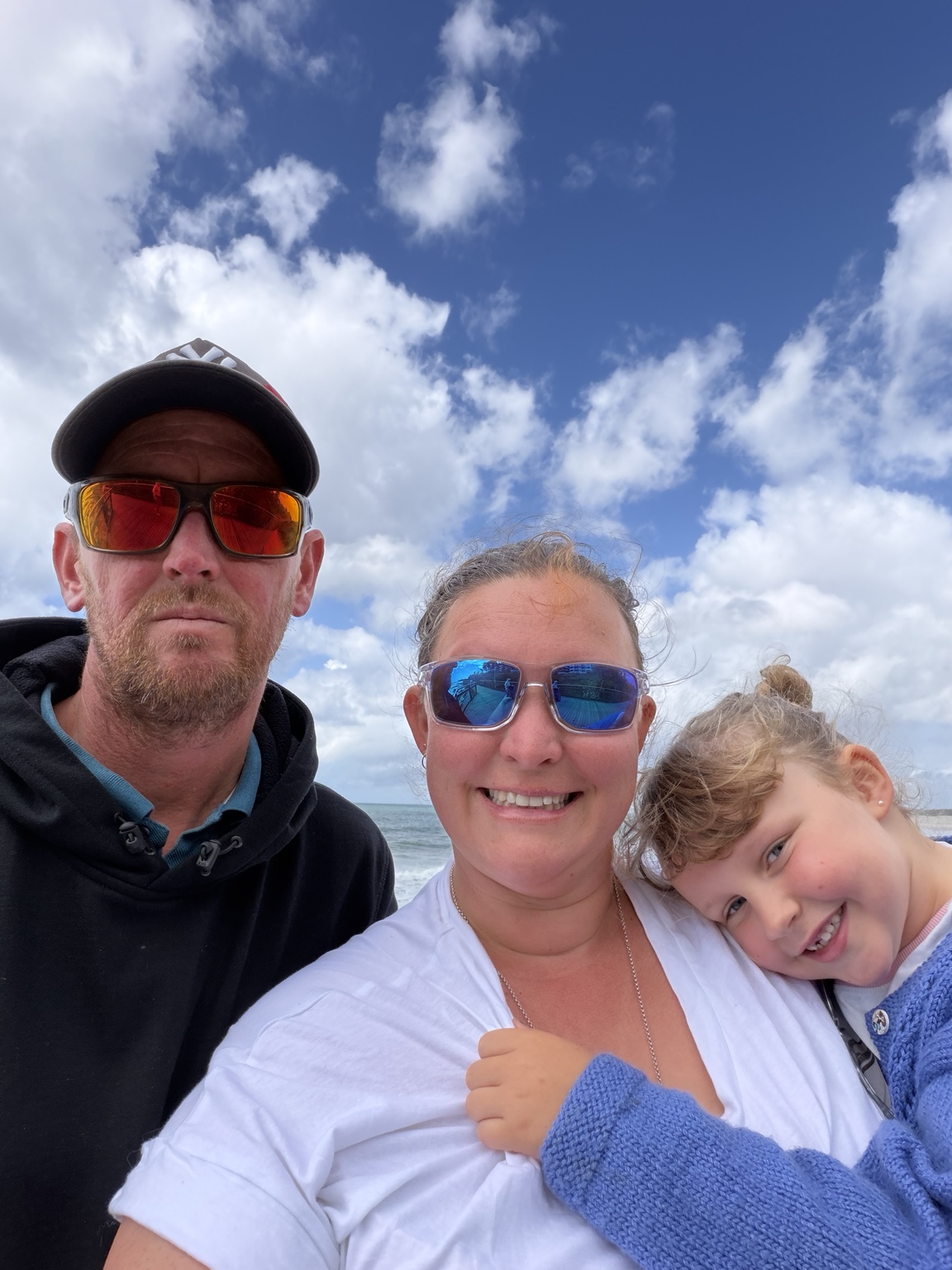
Being surrounded by people who care has been massive too. A village makes a difference when your capacity changes and you need support or somewhere to feel connected. I’m still living with PCS, but the life around it has changed. There is less of some of the load I was carrying, and more support around me.
Finding things that bring me joy
I’ve needed to look for things I can do and things I enjoy, because it’s very easy to spend every day comparing myself with who I was before the accident. Building Lego flowers gives me something tangible to enjoy. Colouring can give me a quieter moment. Time with Addy or cooking something I love reminds me of parts of life I still want to make room for.
I try to celebrate the small wins. Other people may not understand why something ordinary matters so much, but I know what it took to get there.
That doesn’t mean I’m happy about everything. I get frustrated and I have sad days. Positive experiences have helped me feel more connected to my life while I continue getting support and managing my symptoms. I want to notice what’s going well, because those moments deserve attention too.
Where I am now
Today, I run The Educators Well and First Aid 2 U. I still love early childhood education, and teaching, writing and mentoring have given me ways to use that experience as I work out what is sustainable for me. What I’ve been through has influenced how I think about wellbeing and the support people need to keep doing work that matters to them.
I still live with symptoms. A productive day might have a substantial rest in the middle, and exhaustion can arrive at a really awkward time. Sometimes I need to leave something I wanted to stay for. I want people to understand that this is happening alongside the work they see me doing.
My books and free resources
Writing has helped me make sense of what happened and explain things I can struggle to put into a conversation. My books include Baking Memories & Bottling Dreams and Unfiled, drawing on my experiences of life, change and living with post-concussion syndrome.
I’ve also created a free companion workbook for Unfiled, with check-ins, reflection pages and practical tools. You can choose a page that feels useful without giving yourself another whole workbook to finish. The books are there if you’d like to read more, and the free resources are part of my wish to share some of what I’ve learned with people who might find it helpful.
If you’re somewhere in the middle of your own story
If you’re grieving work you loved, or wondering how an ordinary task became so difficult, I recognise that. I also understand the feeling of having a small win that somebody else might not think twice about.
There are plenty of things I’m still figuring out. Sharing my story is one way I can offer a bit of company and explain what this has actually been like for me. I hope you find something here that helps you feel understood, or something practical you can talk through with the people supporting you.
Thank you for spending a little time with my story.
Rachel
Want to know more about who I am? Meet Rachel